Chrome Dino वर्ल्ड रिकॉर्ड: 99,999 मिथक समझाया गया
Play while you read
Play now or get the full game
Play the browser runner, or get the mobile app with Campaign, Infinite mode, dinosaur progression, and AI ghost races.
Chrome Dino का कोई आधिकारिक वर्ल्ड रिकॉर्ड नहीं है
Chrome डायनासोर गेम पांच अंकों के स्कोर काउंटर से शुरू होता है, और 99,999 वह मशहूर पड़ाव है जहाँ शुरुआती डिस्प्ले को एक और अंक चाहिए होता है। वहां पहुंचने के लिए लगभग 85 मिनट का परफेक्ट, बिना रुके खेल चाहिए। और जब आप आखिरकार वहां पहुंच जाते हैं, तो गेम आपको बधाई नहीं देता। यह बस एक छठा अंक जोड़ देता है और चलता रहता है।
लेकिन असली चौंकाने वाली बात यह है: गेम को 17 मिलियन साल के लगातार गेमप्ले को सहने के लिए इंजीनियर किया गया था। यह कोई रूपक नहीं है। यह गेम के तीन मूल रचनाकारों द्वारा एक जानबूझकर किया गया डिज़ाइन चॉइस है।
Google कोई लीडरबोर्ड प्रकाशित नहीं करता और किसी एक व्यक्ति को Chrome Dino वर्ल्ड रिकॉर्ड धारक प्रमाणित नहीं करता। आइए मौजूदा कोड, 99,999 तक पहुंचने की गणना और स्कोर जांचने के लिए जरूरी प्रमाण देखें।
99,999 माइलस्टोन: असल में क्या होता है
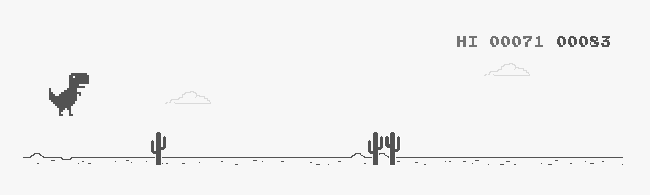
Chrome Dino गेम का स्कोर काउंटर पांच अंकों की जगह से शुरू होता है। एक आम मिथक 99,999 को रीस्टार्ट पॉइंट मानता है -- लेकिन वास्तव में ऐसा नहीं होता। जब आप 99,999 पर पहुंचते हैं, तो काउंटर बस छह अंकों तक विस्तारित हो जाता है और गिनती जारी रखता है।
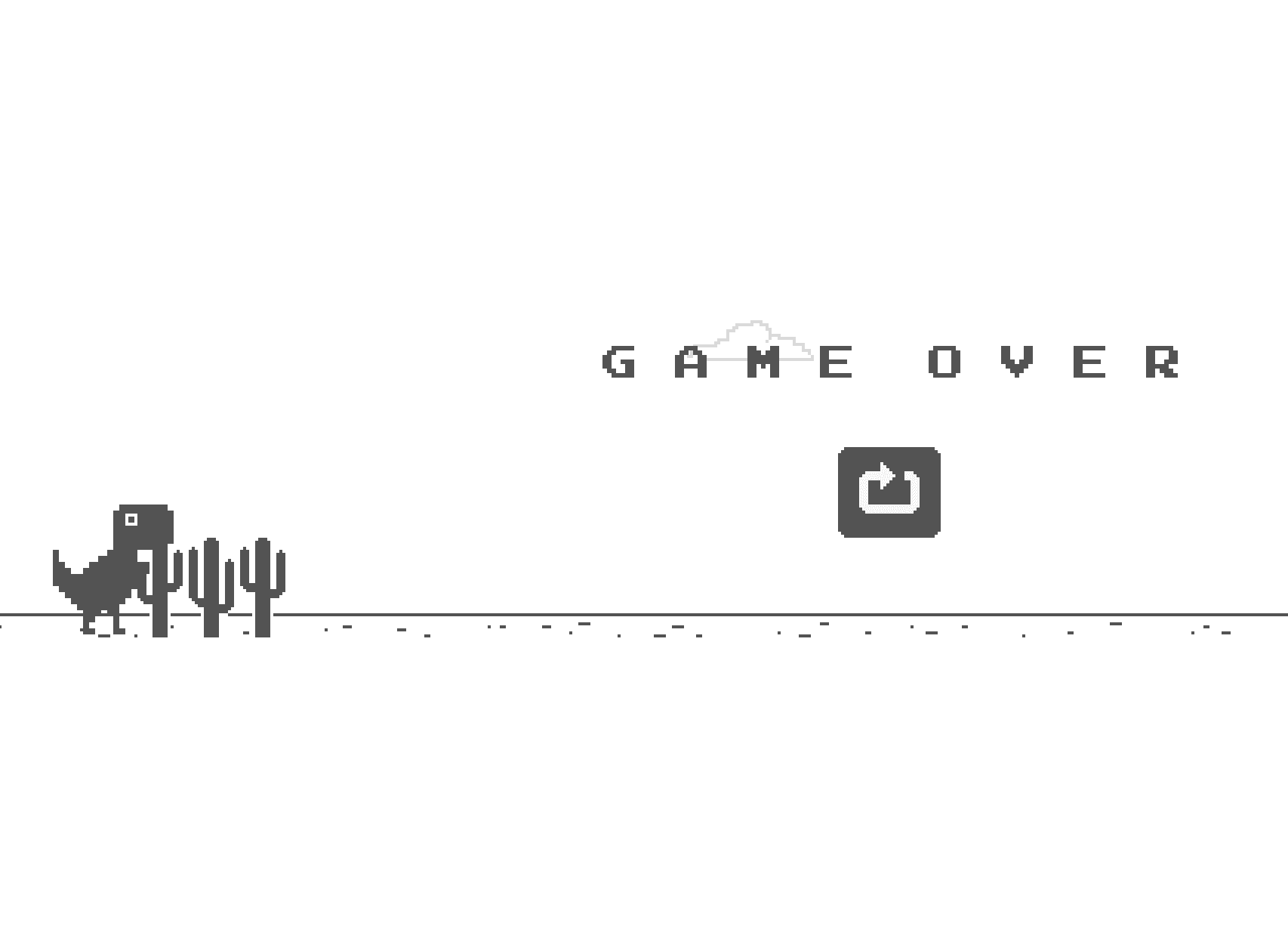
कोई जीत की स्क्रीन नहीं। कोई खास एनिमेशन नहीं। कोई इनाम नहीं। कोई रीसेट नहीं। T-Rex बस दौड़ता रहता है, और स्कोर चढ़ता रहता है।
गणित: कितना समय लगता है?
आइए वास्तविक संख्याओं पर काम करते हैं:
स्पीड प्रोग्रेशन:
- शुरुआती स्पीड: 6 पिक्सल प्रति फ्रेम
- अधिकतम स्पीड: 13 पिक्सल प्रति फ्रेम (दोगुने से ज़्यादा)
- अधिकतम स्पीड तक पहुंचने का समय: लगभग 2 मिनट
स्कोरिंग रेट:
- शुरुआती स्पीड पर: लगभग 9 अंक प्रति सेकंड
- अधिकतम स्पीड पर: लगभग 19.5 अंक प्रति सेकंड
99,999 तक पहुंचने का समय:
अधिकतम स्पीड पर, 99,999 को 19.5 से भाग देने पर हमें लगभग 5,128 सेकंड मिलते हैं, यानी लगभग 85 मिनट का लगातार, बेदाग खेल। पहले दो मिनट की धीमी एक्सीलरेशन फेज को ध्यान में रखते हुए, वास्तविक अनुमान 80-90 मिनट का परफेक्ट गेमप्ले है।
यह एक घंटे से ज़्यादा बिना एक भी गलती के। बाथरूम ब्रेक नहीं। छींक नहीं। एक पल की भी एकाग्रता में कमी नहीं।
मानव प्रतिक्रिया समय की समस्या
यहीं भौतिकी Chrome Dino वर्ल्ड रिकॉर्ड को लगभग असंभव बना देती है।
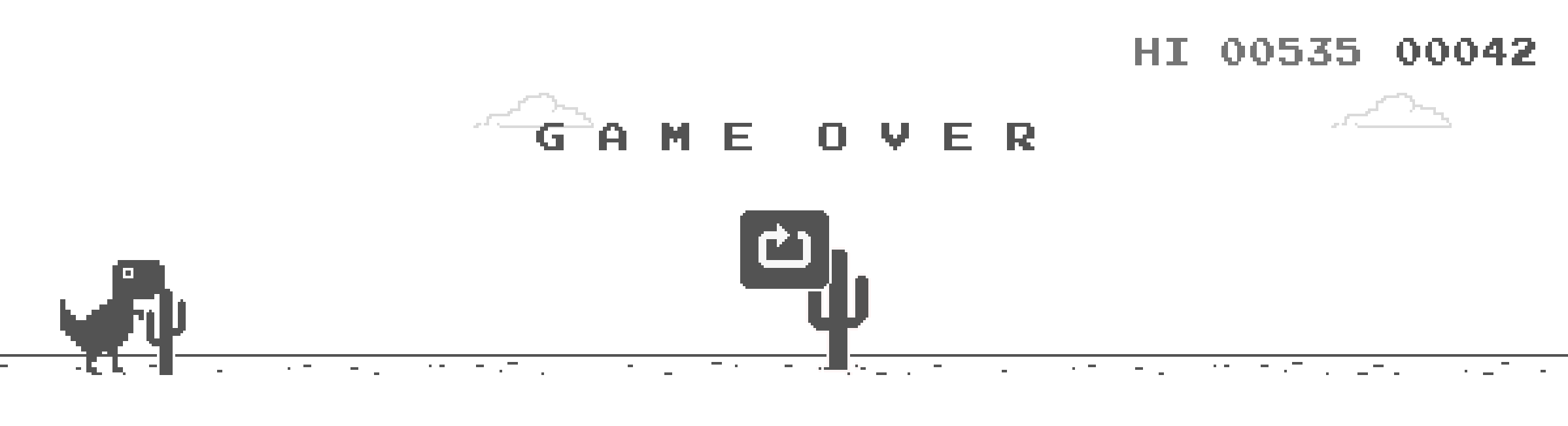
अधिकतम स्पीड पर, गेम 780 पिक्सल प्रति सेकंड पर चलता है। एक बाधा पूरी दिखाई देने वाली स्क्रीन को लगभग 0.77 सेकंड में पार कर जाती है।
लेकिन आपके पास प्रतिक्रिया के लिए 0.77 सेकंड नहीं हैं। T-Rex स्क्रीन के बाईं ओर के करीब स्थित है, जो आपकी वास्तविक प्रतिक्रिया विंडो को 700 मिलीसेकंड से कम कर देता है -- और यह साधारण बाधाओं के लिए है।
औसत मानव प्रतिक्रिया समय लगभग 200-250 मिलीसेकंड है। तो सिद्धांत रूप में, समय पर प्रतिक्रिया करना संभव है। लेकिन मुश्किल से।
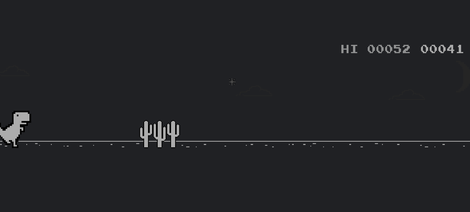
जब आप ऐसे कैक्टस समूहों को जोड़ते हैं जिन्हें लंबी कूद की ज़रूरत होती है, ऐसे टेरोडैक्टिल जो तत्काल कूदो-या-झुको निर्णय मांगते हैं, और दिन/रात चक्र के उलटफेर जो आपको क्षणिक रूप से भ्रमित करते हैं (स्क्रीन के रंग हर 700 अंकों पर बदलते हैं), तो प्रभावी प्रतिक्रिया विंडो नाटकीय रूप से सिकुड़ जाती है।
इन स्पीड पर 60+ मिनट की निरंतर एकाग्रता के बाद, सबसे केंद्रित खिलाड़ी भी गलतियां करते हैं।
17 मिलियन साल का ईस्टर एग
"17 मिलियन साल" का आंकड़ा क्लिकबेट नहीं है -- यह एक जानबूझकर किया गया डिज़ाइन चॉइस है।
गेम के निर्माताओं में से एक, Edward Jung ने कहा: "हमने इसे लगभग 17 मिलियन साल पर अधिकतम पर पहुंचने के लिए बनाया, उतना ही समय जितना T-Rex पृथ्वी पर जीवित रहा।" पैलियोन्टोलॉजिस्ट वास्तव में T. rex प्रजाति के अस्तित्व को लगभग 2-3 मिलियन साल (68-66 मिलियन साल पहले) मानते हैं, इसलिए Jung का आंकड़ा संभवतः T. rex विशेष रूप से नहीं बल्कि व्यापक टायरैनोसॉर वंश को संदर्भित करता है।
स्पष्ट करें: इसका मतलब यह नहीं है कि 99,999 तक पहुंचने में 17 मिलियन साल लगते हैं। इसका मतलब है कि गेम का आंतरिक दूरी-ट्रैकिंग सिस्टम 17 मिलियन साल के संचित खेल को समायोजित कर सकता है।
रिकॉर्ड दावों का मूल्यांकन कैसे करें
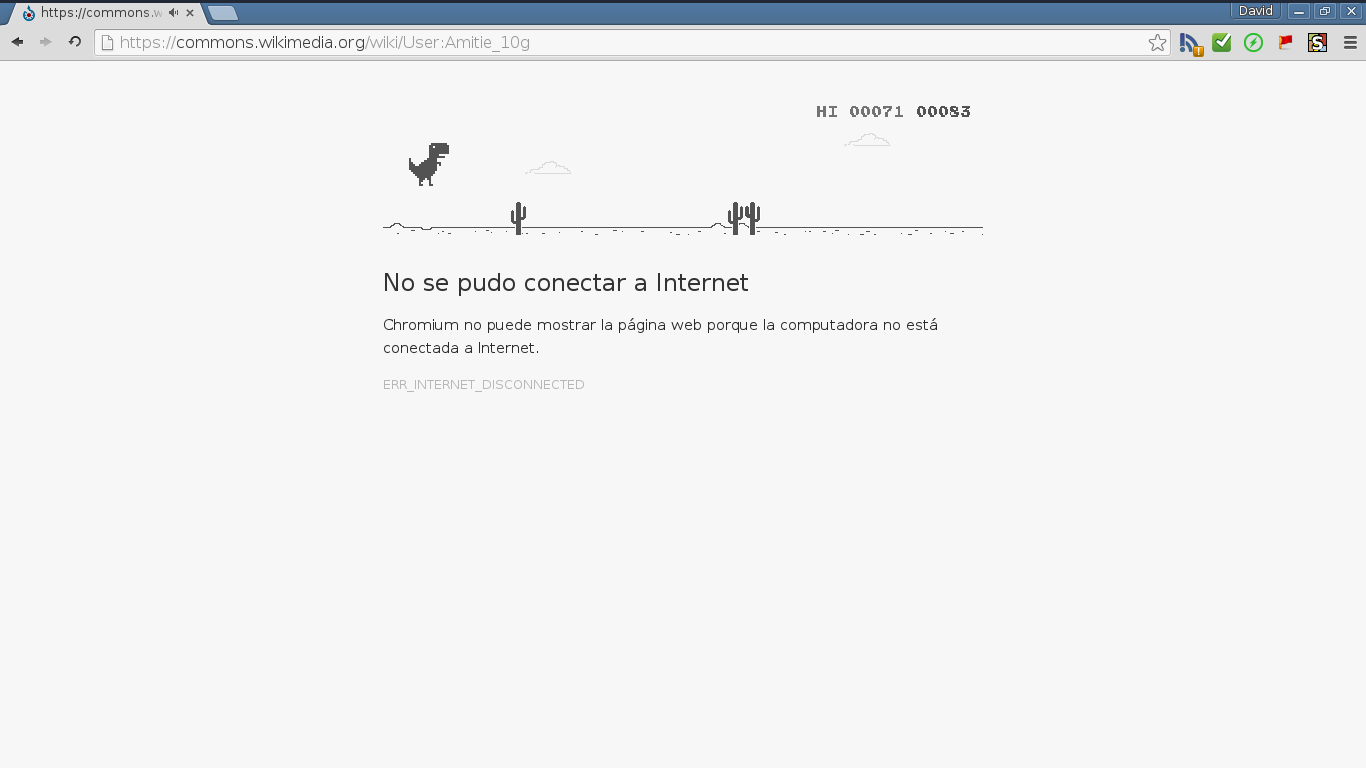
कोई एक आधिकारिक रिकॉर्ड धारक नहीं है। Google Chrome Dino की सार्वजनिक लीडरबोर्ड नहीं चलाता, और गेम की JavaScript स्थिति डेवलपर टूल से बदली जा सकती है, इसलिए केवल स्क्रीनशॉट मजबूत प्रमाण नहीं है।
विश्वसनीय दावे में शुरुआत से लगातार वीडियो, दिखाई देने वाला Chrome संदर्भ, डेवलपर टूल से कोई बदलाव नहीं, सटीक ब्राउज़र संस्करण, सामान्य गति और टक्कर सेटिंग, इनपुट विधि और स्पष्ट श्रेणी शामिल होनी चाहिए। HI मान Chrome प्रोफाइल में रह सकता है, लेकिन यह व्यक्तिगत हाई स्कोर है, सार्वजनिक रैंकिंग नहीं। कोई सार्वभौमिक स्कोर सीमा नहीं है जिसके ऊपर हर रन अपने-आप नकली हो; प्रमाण का मूल्यांकन करना चाहिए।
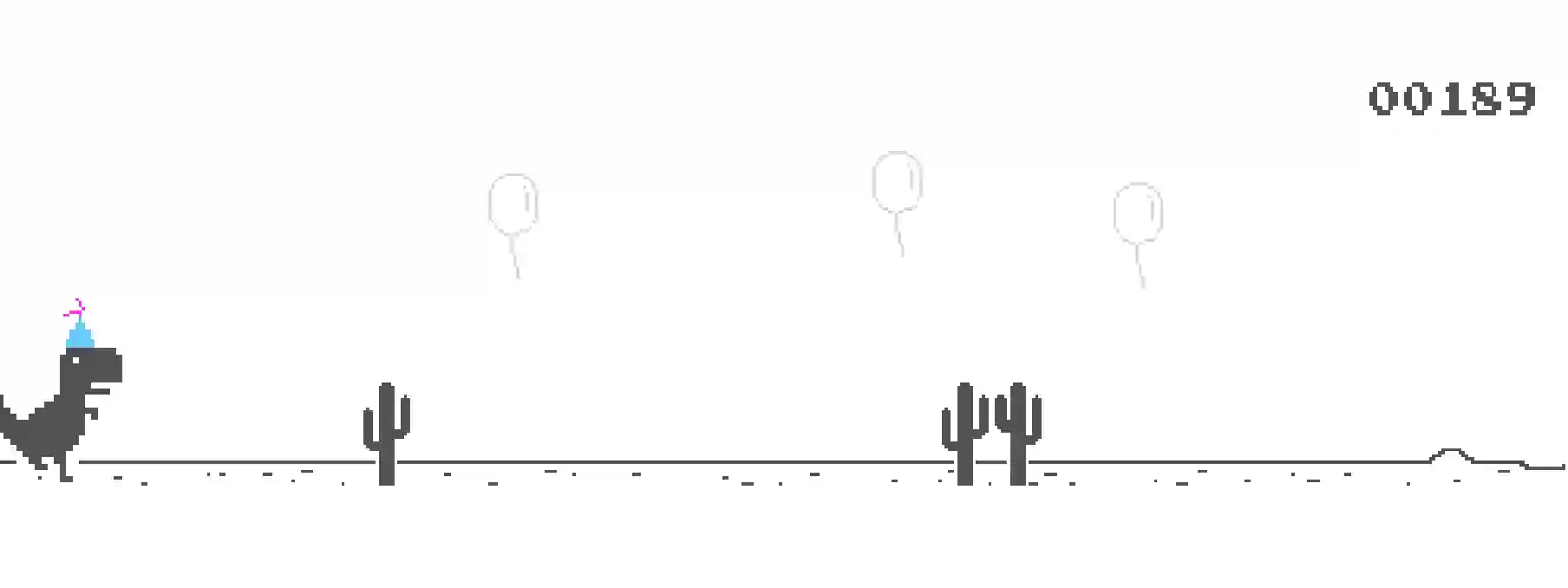
इंसान, बॉट और टूल-सहायता वाले रन अलग श्रेणियां हैं
स्क्रीन को देखने वाला कैमरा, पिक्सेल पढ़ने वाली स्क्रिप्ट और गेम स्थिति तक सीधी पहुंच वाला प्रोग्राम अलग देरी और फायदे रखते हैं। इसलिए मानव रन, भौतिक रोबोट, विज़न बॉट और टूल-सहायता वाले रन अलग दर्ज होने चाहिए। यह कहना सही नहीं है कि सभी बॉट अंततः असफल होते हैं या एक ही निश्चित कैप्चर दर पर चलते हैं।
यह क्यों मायने रखता है
Chrome Dino गेम का अजेय डिज़ाइन कोई खामी नहीं है। यही तो बात है।
रचनाकारों ने ऐसा गेम बनाया जो किसी के लिए भी तुरंत सुलभ है -- तीन साल का बच्चा स्पेस दबाकर खेलना शुरू कर सकता है। लेकिन उन्होंने एक ऐसा गेम भी बनाया जिसकी सैद्धांतिक सीमा तक कोई इंसान (और शायद कोई मशीन भी) नहीं पहुंच सकता।
यह सुंदर डिज़ाइन है। वही गेम एक 5 साल के बच्चे को Wi-Fi आउटेज के दौरान मज़ेदार मनोरंजन देता है और एक प्रतिस्पर्धी गेमर को एक असंभव चुनौती देता है। कठिनाई रुकती नहीं -- बस बढ़ती जाती है जब तक कि आप साथ नहीं रह पाते।
Chrome Dino ने साबित कर दिया कि सबसे सरल गेम सबसे ज़्यादा नशीले हो सकते हैं।
और पढ़ें
- Google Chrome डायनासोर गेम का संपूर्ण इतिहास -- प्रोजेक्ट बोलन से लेकर 270 मिलियन मासिक प्ले तक।
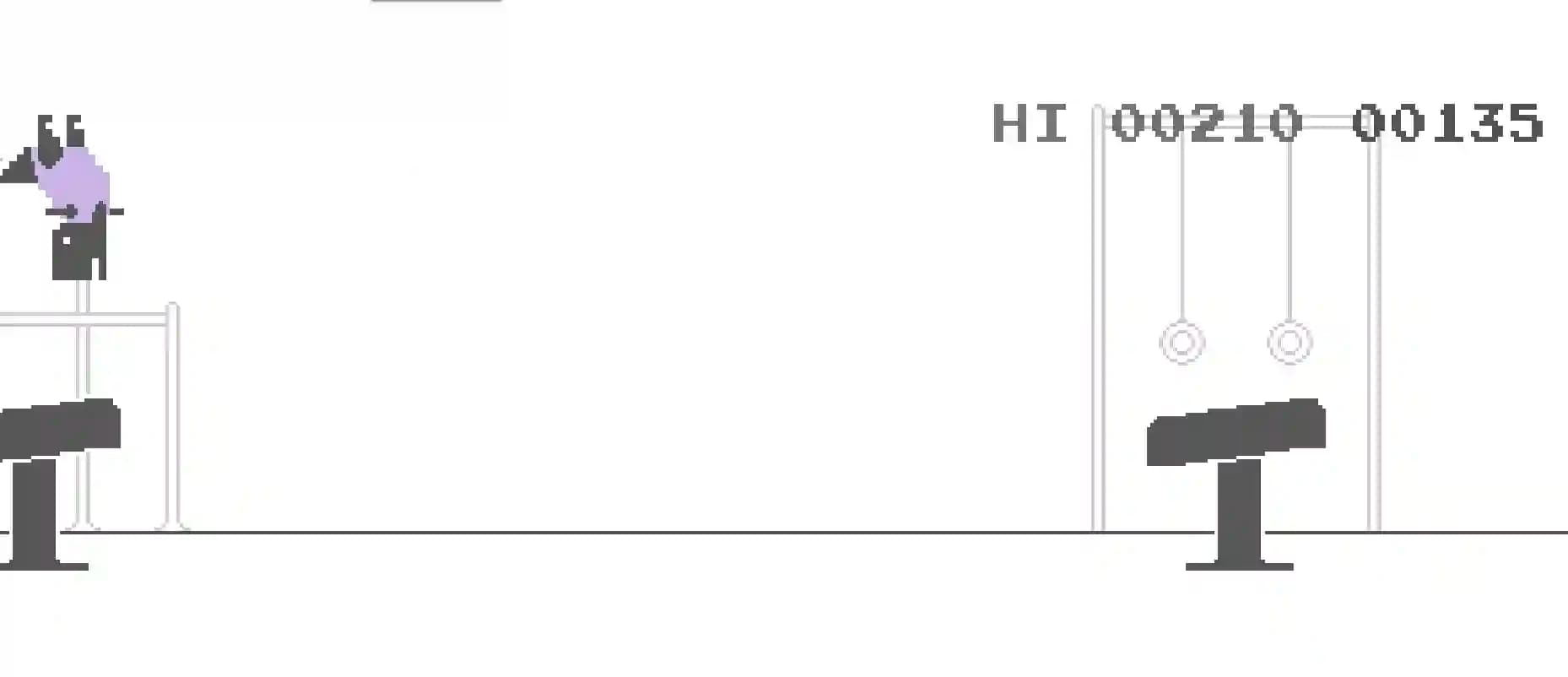
- Chrome Dino ईस्टर एग्स: वो सारे राज़ जो आप नहीं जानते थे -- बर्थडे केक, ओलंपिक खेल, नाइट मोड ट्रिक्स और छिपे हुए कंसोल चीट्स।
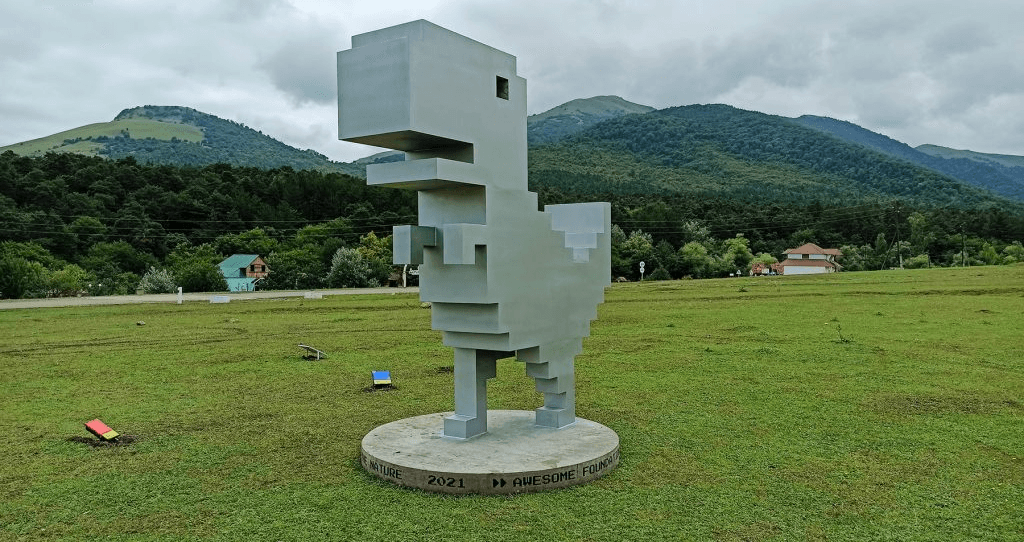
- Chrome के डायनासोर गेम के बारे में 10 बातें जो आप नहीं जानते थे -- 270 मिलियन मासिक प्ले, एक रॉक स्टार कोडनेम और एक वास्तविक स्मारक।
एक ऐसी डायनो चुनौती के लिए तैयार हैं जिसे आप वास्तव में जीत सकते हैं?
The Jumping Dino इस विचार को पांच प्रागैतिहासिक युगों के 15 कैंपेन लेवल, अंडों की बचाव यात्रा, अनलॉक होने वाले डायनासोर, Sanctuary, Infinite मोड और स्थानीय AI द्वारा नियंत्रित नौ घोस्ट डायनासोर के खिलाफ रेस तक बढ़ाता है।
वही नशीली जंप फिज़िक्स। लेकिन इस बार, जीतने के लिए कुछ असली है।
अपने ब्राउज़र में मुफ़्त खेलें | iOS और Android पर डाउनलोड करें
स्रोत और संदर्भ
अंतिम सत्यापन:
- As the Chrome dino runs, we caught up with the Googlers who built it
Google — Google's official interview with the Chrome Dino creators about the origin, controls, Project Bolan, and monthly plays.
- Chromium dino_game source directory
Chromium — The current open-source Chrome Dino implementation, including runner logic, obstacles, and sprite handling.
- Chromium distance_meter.ts
Chromium — The score display implementation, including distance conversion, achievement flashing, and digit expansion after the initial five-digit meter.
लेवल अप
क्लासिक पसंद है? एवोल्यूशन से मिलो।
The Jumping Dino Chrome डायनो गेम की हर अच्छी चीज़ को लेकर एक पूरे एडवेंचर में बदल देता है।
3M+
डाउनलोड
4.3★
Google Play रेटिंग
9.28K
रिव्यूज़